01
Cutting and flat patterns
Prepare flat patterns around thickness, holes and forming needs. Verify developed dimensions together with bend allowances.
Enclosures, brackets and sheet structures made through cutting, bending and assembly.
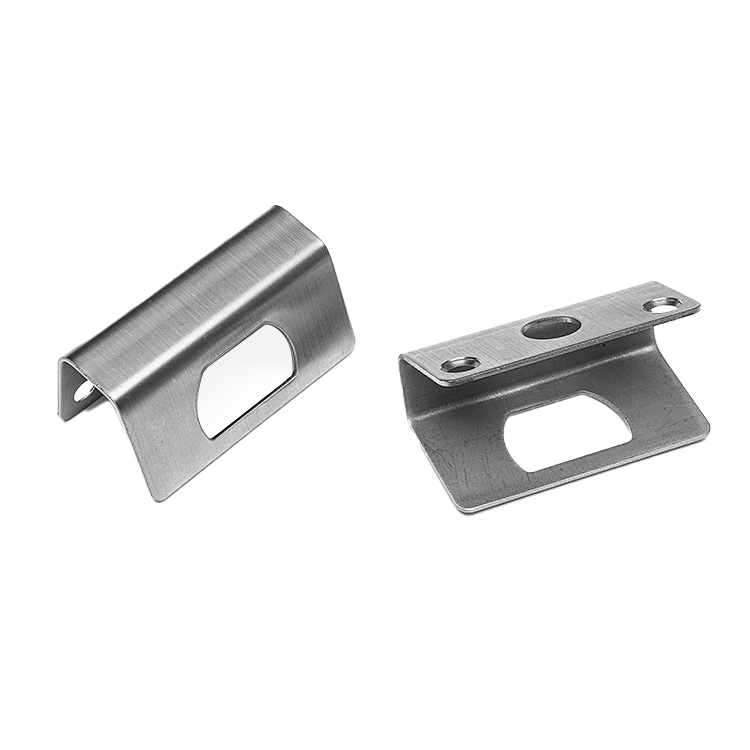
Consider: thickness, bend radius and flat patterns
Cuts sheet, then bends or joins it
Prepare flat patterns around thickness, holes and forming needs. Verify developed dimensions together with bend allowances.
Forms angles and profiles. Review bend sequence, springback and tooling interference.
Select welding, self-clinching hardware or fasteners for load and appearance. Confirm locations, distortion control and serviceability.
Evaluate powder coating, paint or compatible metal treatments for the base material and environment, with masking areas specified.
Thickness, nesting, bend count and joining operations
Evaluate steel, stainless or aluminum sheet by grade, thickness, supply condition and formability. Consider bending, welding and corrosion protection together.
Browse materialsPowder coating, paint and other treatments must suit the substrate and environment. Specify masking for threads, grounding surfaces, fits and assembly holes.
Explore surface finishingStart with the operating environment, then balance strength, weight, temperature, appearance and assembly. Confirm grade, availability and treatment with engineering.
Submit drawings for reviewConsider: thickness, bend radius and flat patterns
Check bend radius, springback, hole distance from bends and tooling interference. Thickness is generally constrained by the chosen sheet stock.
Confirm drawing revisions, file names and change records to avoid mixing old and new designs.
Identify mating faces, datums, holes and tolerances instead of applying the tightest tolerance everywhere.
Specify cosmetic faces, colors or reference samples, including masking and protection.
Agree inspection scope, reports, packaging and staged delivery before ordering.
There is no universal quantity crossover or guaranteed tolerance for a process. Feasibility, pricing and lead time depend on drawing review and the confirmed quote.
Enclosures, brackets and sheet structures made through cutting, bending and assembly.
Organize production and inspection around the confirmed drawing revision and requirements.
Upload 3D models and necessary 2D drawings. Specify quantity, material, tolerance, finish and target delivery.
Review manufacturability, critical dimensions and inspection requirements. Discuss complex needs with engineering.
Manufacture to the confirmed revision and check parts against the agreed inspection requirements.
Use feedback to refine the design or reorder. Confirm changes to revisions, quantities and delivery dates.
You can start a conversation with incomplete information. Manufacturing commitments must be confirmed before production.
Not sure about material, process or finish? Share drawings and operating conditions to give the engineering review a clear starting point.
Manufacturing process guide3D models and necessary 2D drawings; Material grade and quantity; Critical dimensions, tolerances and finish; Use case, inspection needs and target delivery. You can start a conversation with incomplete information. Manufacturing commitments must be confirmed before production.
Evaluate steel, stainless or aluminum sheet by grade, thickness, supply condition and formability. Consider bending, welding and corrosion protection together. Powder coating, paint and other treatments must suit the substrate and environment. Specify masking for threads, grounding surfaces, fits and assembly holes.
Check bend radius, springback, hole distance from bends and tooling interference. Thickness is generally constrained by the chosen sheet stock.
Thickness, nesting, bend count and joining operations. There is no universal quantity crossover or guaranteed tolerance for a process. Feasibility, pricing and lead time depend on drawing review and the confirmed quote.
Bring your design and requirements. Make manufacturing part of your next product decision.