ON-DEMAND MANUFACTURING

On-demand manufacturingManufacturing at your product’s pace.

From your first prototype to repeat orders, choose the process and quantity for each stage. Upload your drawings to connect design, quoting, production and delivery.

Drawing-ledProcess coordinationDemand-led ordersRevision control
01Prototype
02Pilot production
03Replenishment
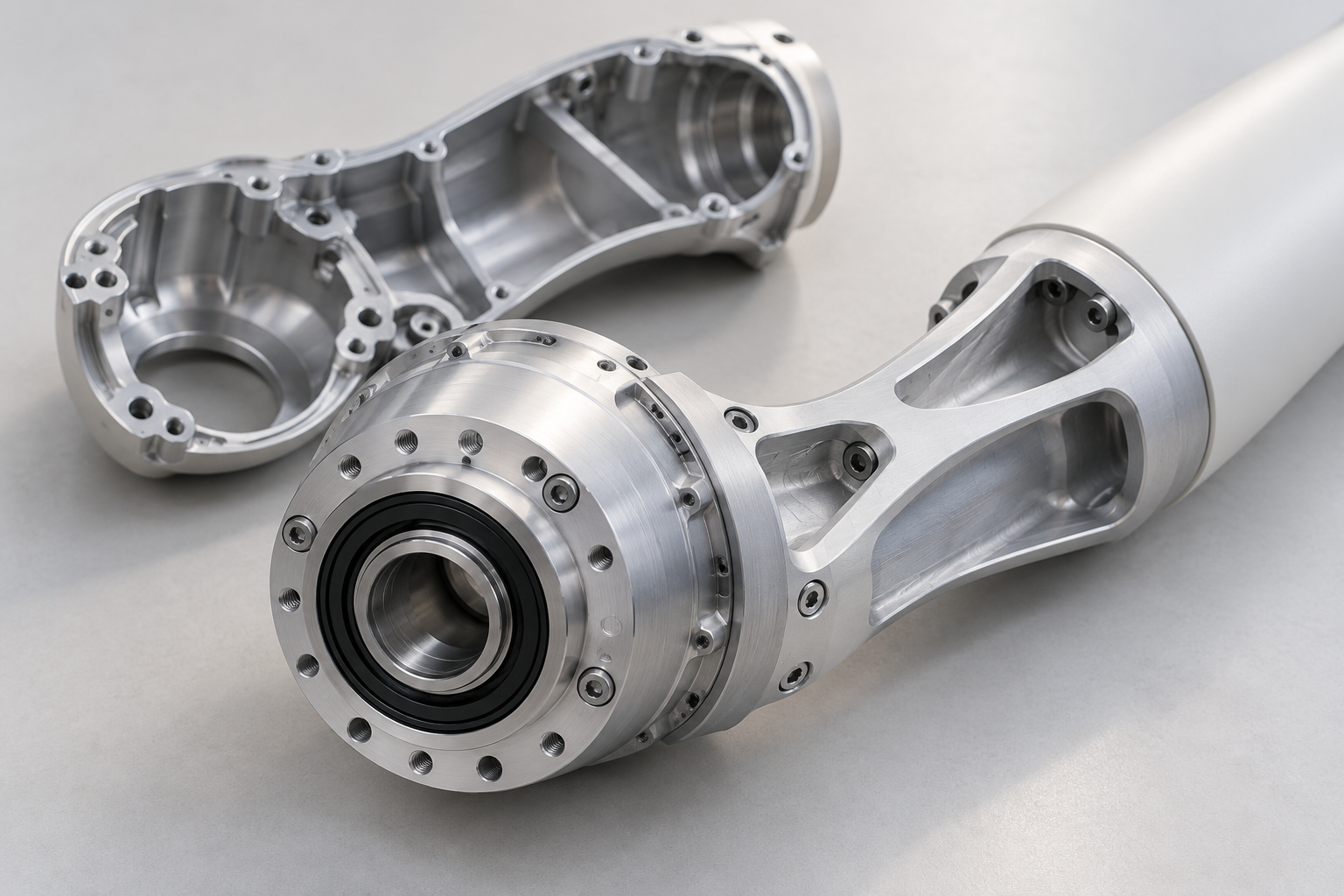
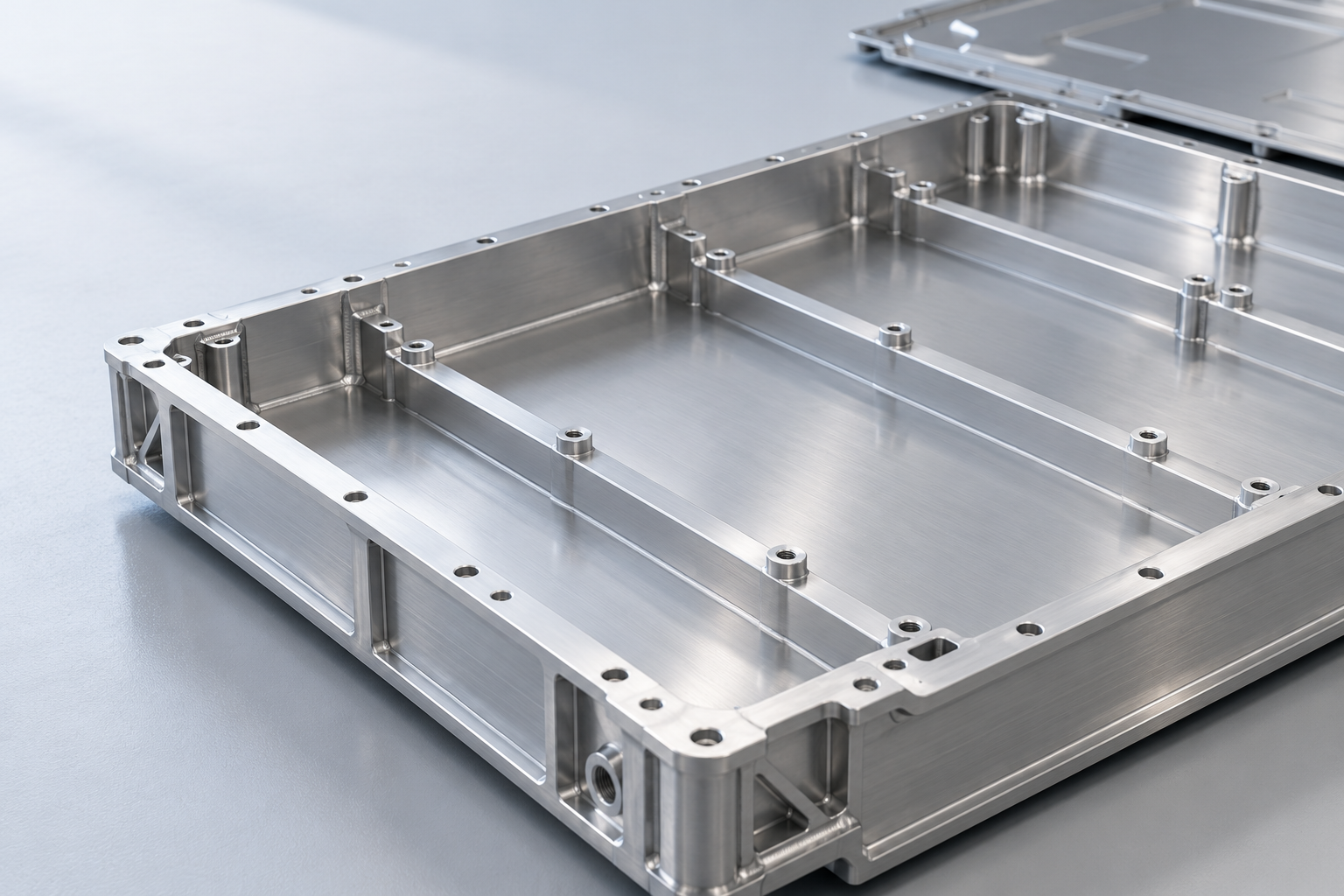
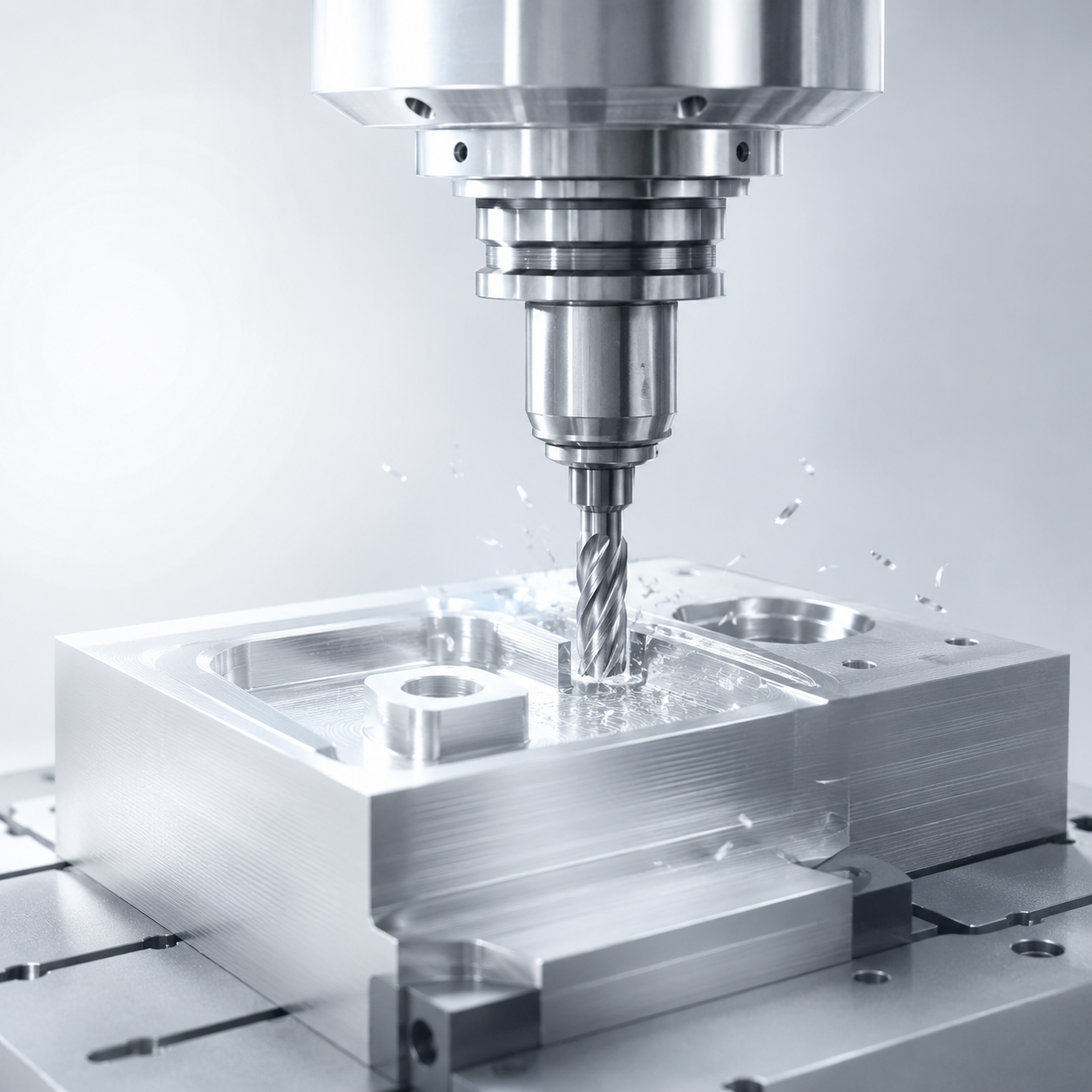
CNC machining
CNC machining

Housings · Brackets · Shafts · Mating parts

01 / 05
BUILT AROUND DEMAND

What is on-demand manufacturing?

On-demand manufacturing schedules production around actual orders and project requirements. Teams source parts as needed, choosing CNC machining, 3D printing, sheet metal or injection molding for each product stage, reducing advance stock commitments while retaining room for design changes and quantity adjustments.

Discuss requirements with AI
01 / MORE FLEXIBILITY

Plan around what you actually need.

Bring engineering, purchasing and supply planning together around a shared drawing and a real requirement.

01

Validate before investing

Check fit, appearance and function with prototypes before committing to tooling or larger quantities.

Limit the cost of design changes
02

Match inventory to demand

Split purchases around project milestones and confirm lead times before planning replenishment.

Reduce excess stock commitments
03

Choose the process for the part

Balance geometry, material, quantity and finish instead of designing around a single manufacturing method.

Balance performance and cost
02 / YOUR MANUFACTURING TOOLKIT

A manufacturing path for your part.

These are starting points. Drawings, tolerances, materials and quantities determine the final recommendation.

Quote my project
CNC machining01Aluminum / Stainless steel / Plastics

CNC machining

Functional metal and engineering plastic parts with defined requirements for fit, strength and critical dimensions.

Housings · Brackets · Shafts · Mating parts
Consider: workholding, tool access and tolerances
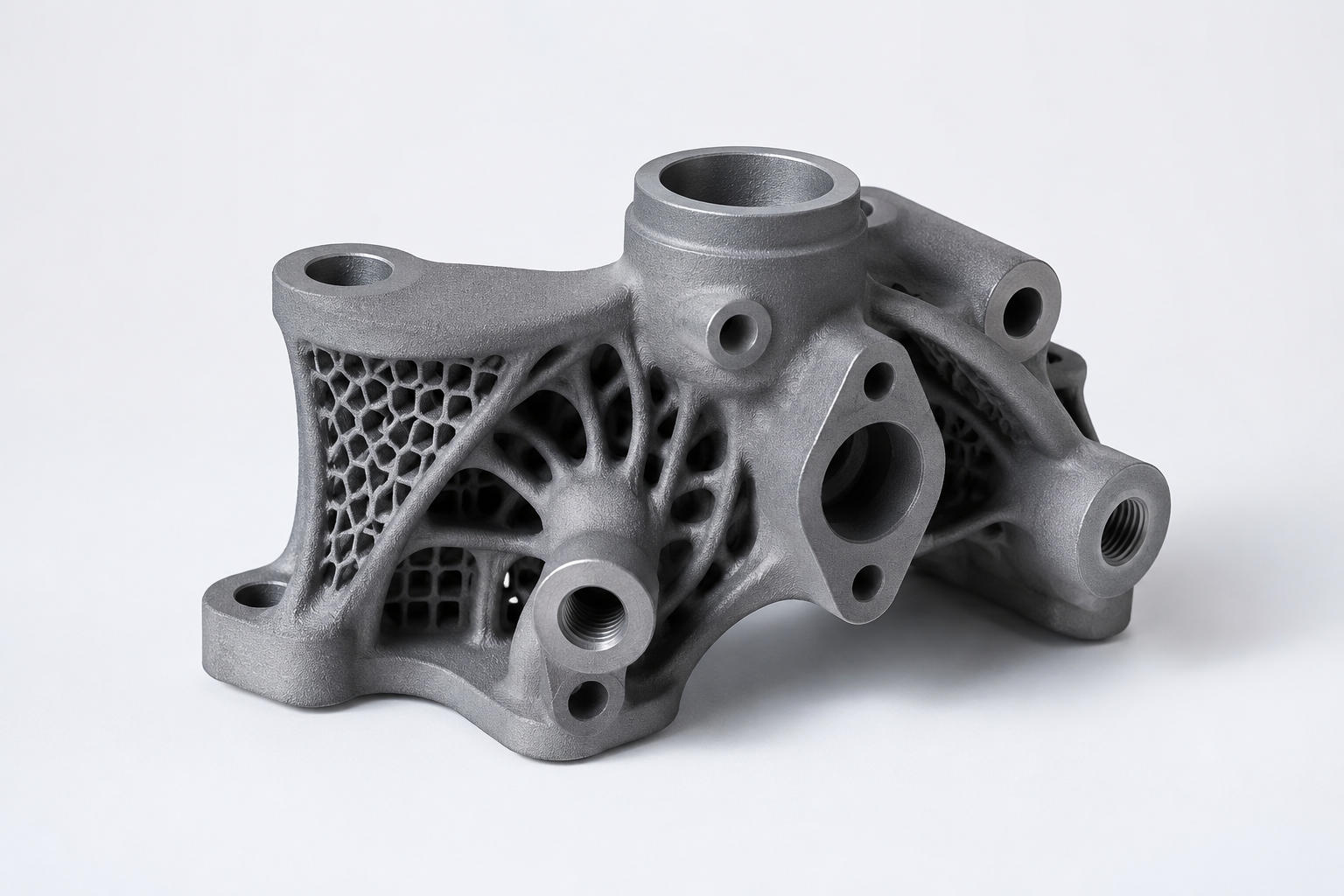
Industrial 3D printing02Resin / Nylon / Metal printing

Industrial 3D printing

Complex geometries, appearance models and iterative designs for shape and functional validation.

Models · Complex geometry · Functional prototypes
Consider: material properties, orientation and finishing
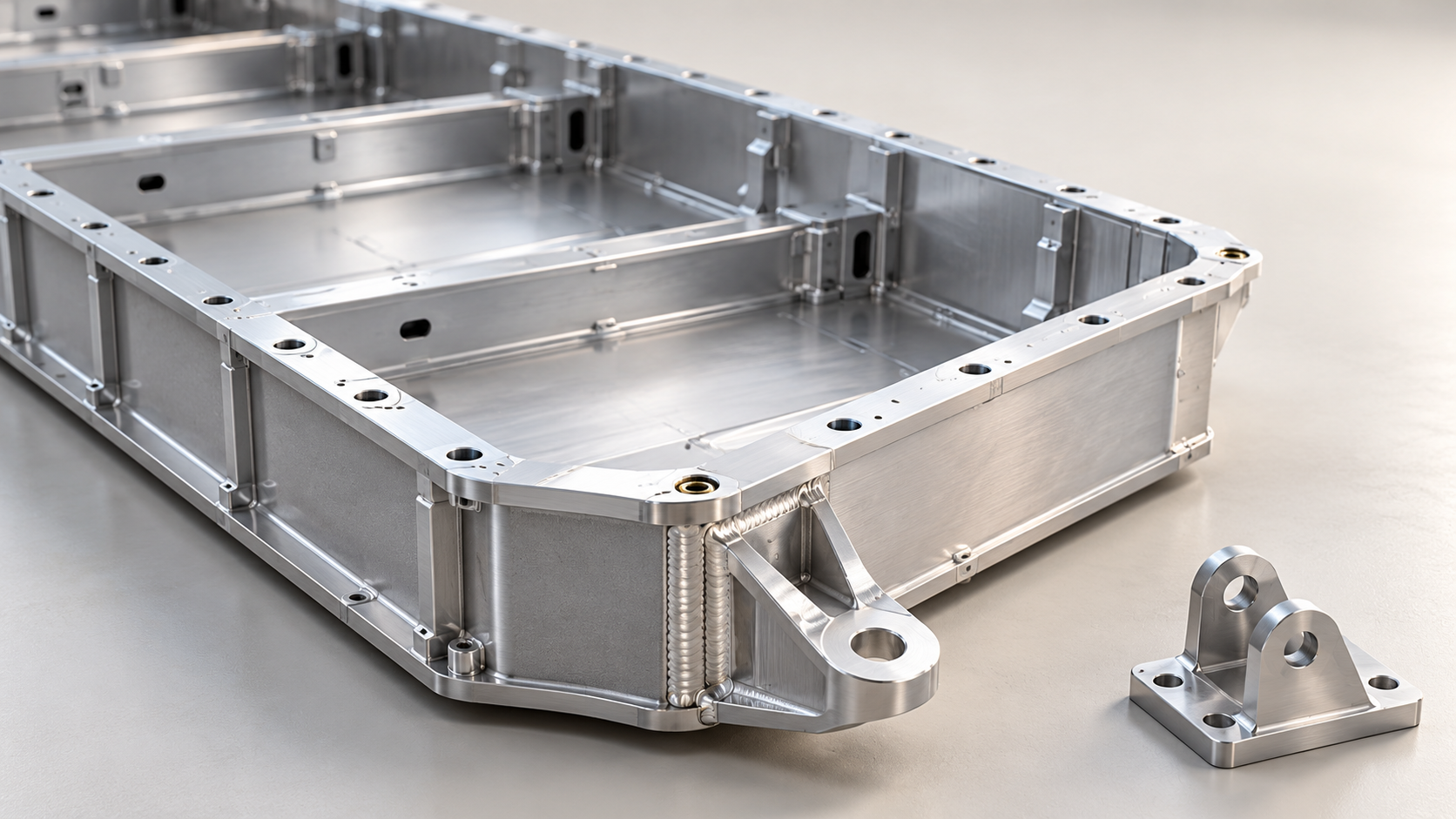
Sheet metal fabrication03Cutting / Bending / Welding

Sheet metal fabrication

Enclosures, brackets and sheet structures made through cutting, bending and assembly.

Enclosures · Panels · Brackets · Guards
Consider: thickness, bend radius and flat patterns
Tooling & injection molding04Tooling review / Sampling / Batches

Tooling & injection molding

Stable plastic part designs where lifecycle demand can justify tooling and scheduled production batches.

Plastic housings · Clips · Covers · Structures
Consider: tooling cost, draft and shrinkage
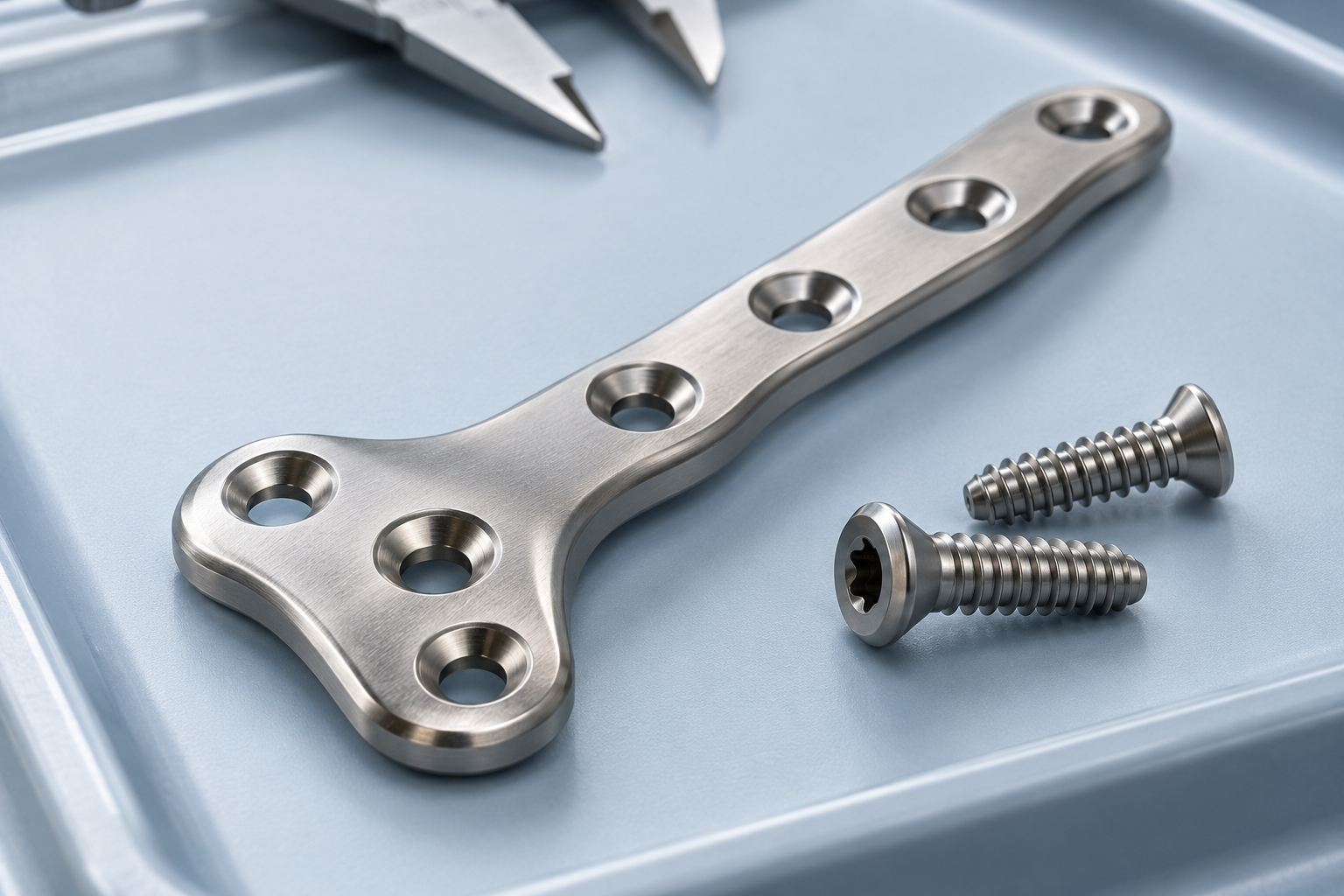
Rapid prototyping05CNC prototypes / 3D printing / Silicone-mold casting

Rapid prototyping

Build samples for appearance, assembly and functional validation by combining CNC prototypes, 3D printing, silicone-mold casting and finishing around product-development needs.

Appearance models · Assembly mockups · Functional samples · Display models
Consider: validation goals, material fidelity, assembly and appearance criteria

Define the need. Explore the process together.

Not sure about material, process or finish? Share drawings and operating conditions to give the engineering review a clear starting point.

Discuss requirements with AI
03 / MATERIAL + FINISH

Choose the material and finish, not just the shape.

Start with the operating environment, then balance strength, weight, temperature, appearance and assembly. Confirm grade, availability and treatment with engineering.

Lightweight metals

Aluminum · Titanium

For lightweight structures, housings and functional parts. Balance strength, machinability and budget when selecting a grade.

Durable metals

Stainless steel · Steel · Copper

For wear, corrosion, thermal or electrical requirements. Consider the dimensional impact of finishing.

Engineering plastics

POM · PC · ABS · PEEK

For insulation, lightweight structures and functional validation. Check temperature, loads and environmental exposure.

Additive materials

Resin · Nylon · TPU

For appearance, structural and flexible prototypes. Orientation and post-processing influence finish and mechanical behavior.

04 / CHOOSE WITH CONFIDENCE

Unsure which process fits? Start with your priorities.

A part may have several manufacturing routes. Define the validation goal, then compare material, quantity, geometry and upfront investment.

Unsure which process fits? Start with your priorities.
ProcessBest starting pointDesign considerationsGet a quote
CNC machiningMaterial performance, precision fits and functional testingCritical tolerances, tool access and fixture datumsGet a quote
Industrial 3D printingComplex geometry, design iteration and low-volume modelsOrientation, supports, surface and material propertiesGet a quote
Sheet metal fabricationEnclosures, brackets and sheet structuresThickness, bends, holes and joining methodsGet a quote
Tooling & injection moldingStable plastic designs and repeat batch requirementsTooling investment, draft, wall thickness and shrinkageGet a quote
Rapid prototypingValidate product appearance, assembly and functional conceptsTest goals, material and process differences, color, texture and assembly datumsGet a quote
05 / FROM FIRST PART TO NEXT BATCH

When does on-demand manufacturing fit?

PHASE 01

Development & prototypes

The design is evolving and physical parts help reveal problems.

Evaluate: function, fit and revision costsQuote my project
PHASE 02

Low volumes & pilot runs

Demand is uncertain and the production process needs validation.

Evaluate: consistency, unit cost and schedulingQuote my project
PHASE 03

Spare parts & repeat orders

Replenish around actual consumption instead of buying excess stock.

Evaluate: revisions, materials and reorder timingQuote my project

For stable designs with sustained high demand, also compare total costs with volume production. On-demand does not mean every project has no minimum quantity, needs no tooling or can ship immediately.

06 / MADE FOR REAL APPLICATIONS

Manufacturing for real product challenges.

Illustrative application directions to help define requirements; these are not delivered customer case studies or performance guarantees.

Robotics & automationAPPLICATION / 01

Robotics & automation

End effectors / Joint housings / Brackets

Evaluate machined parts and structural prototypes around assembly datums, motion envelopes and weight.

Consumer electronicsAPPLICATION / 02

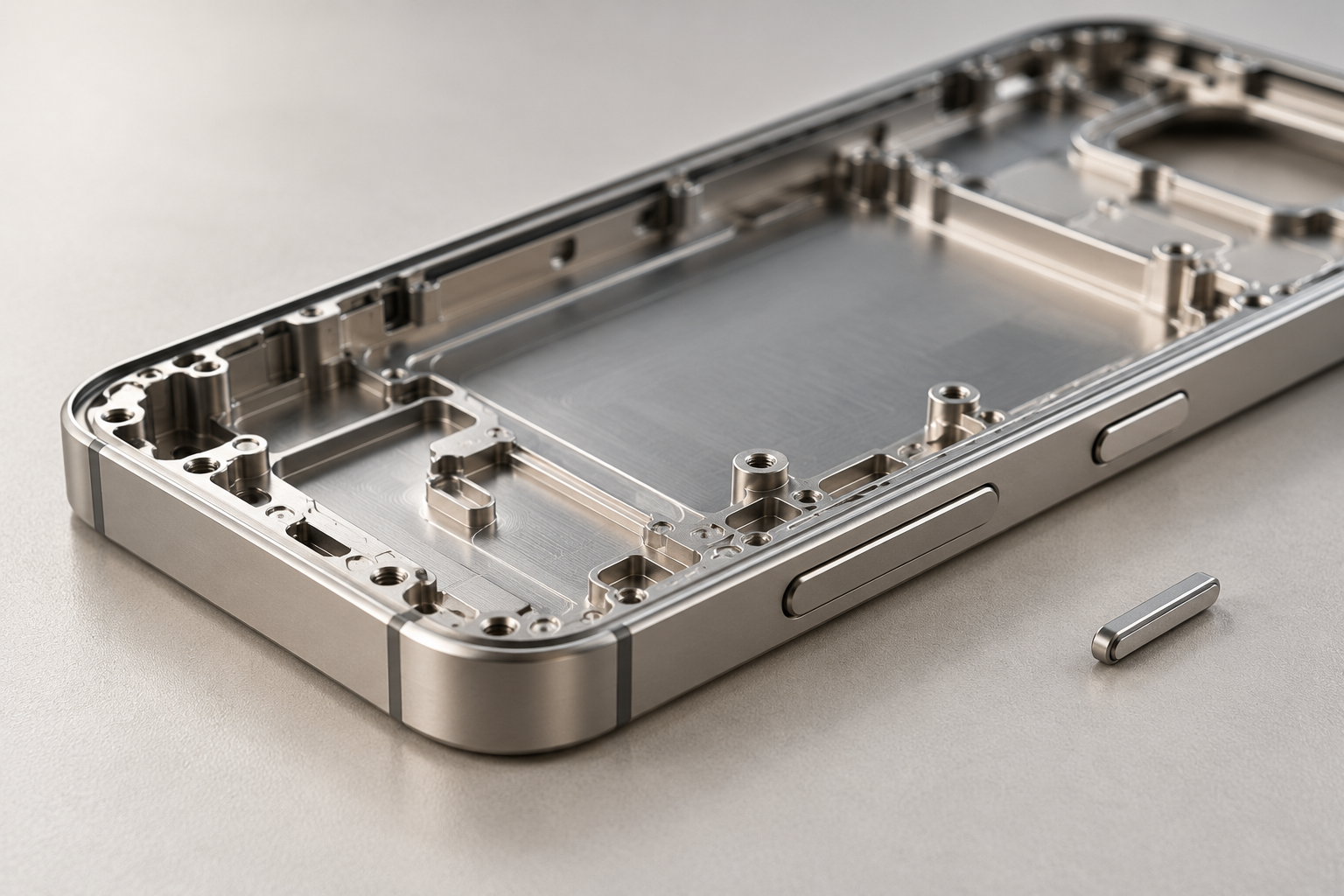
Consumer electronics

Appearance models / Housings / Heat sinks

Validate appearance, fit and feel with physical prototypes before advancing to pilot production.

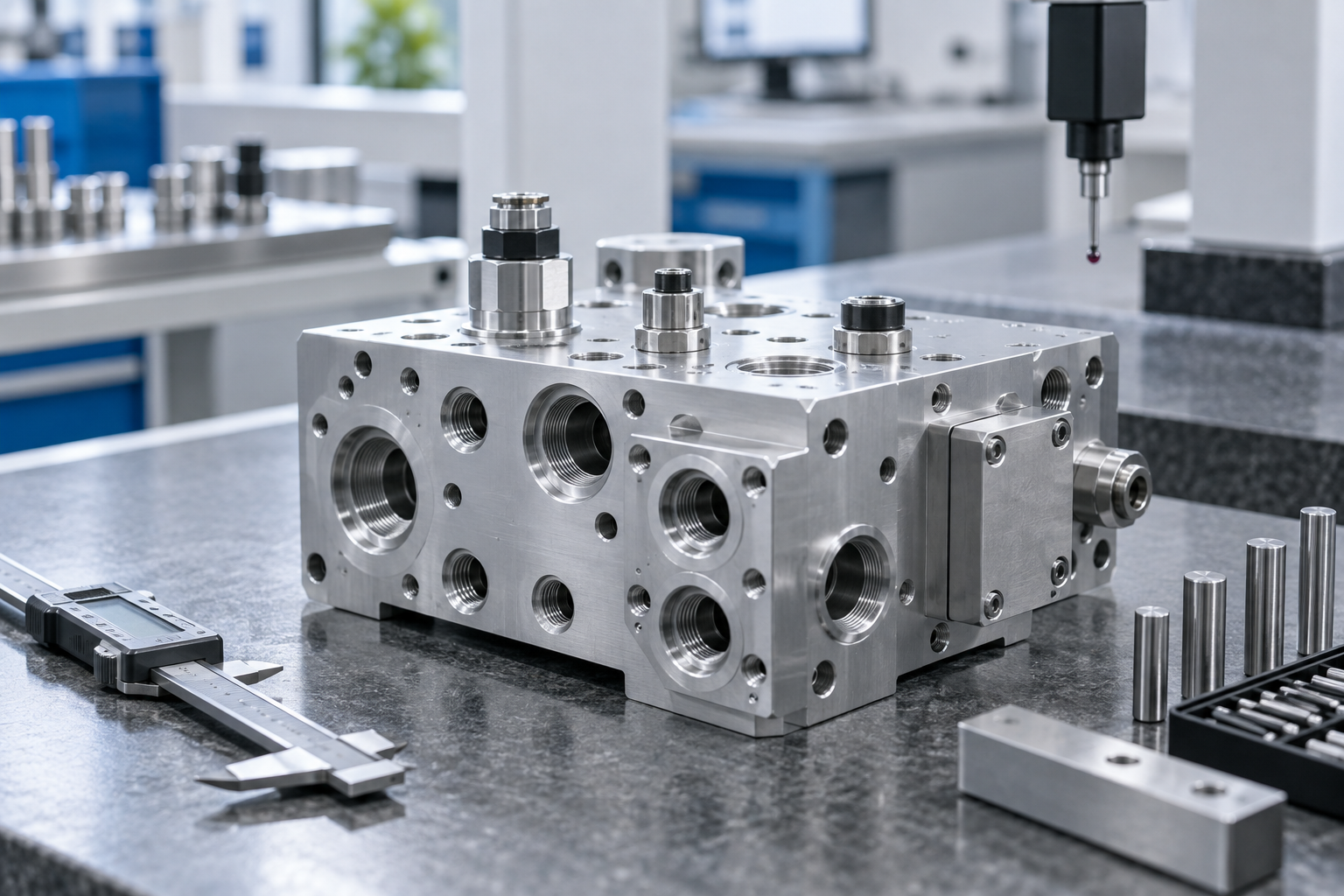
Industrial equipmentAPPLICATION / 03

Industrial equipment

Fixtures / Connectors / Custom spares

Specify dimensions and materials around equipment interfaces, operating conditions and maintenance cycles.

Automotive developmentAPPLICATION / 04

Automotive development

Test parts / Sensor brackets / Fixtures

Organize development samples with defined loads, temperatures and test conditions.

Medical equipment R&DAPPLICATION / 05

Medical equipment R&D

Instrument housings / Models / Fixtures

For equipment R&D and non-implant structural validation. Compliance and biocompatibility require separate review.

Energy equipmentAPPLICATION / 06

Energy equipment

Electrical enclosures / Brackets / Cooling parts

Evaluate structures and finishing against insulation, thermal, installation and environmental requirements.

07 / DRAWING TO DELIVERY

From drawing to delivery, with a clear plan.

Quote my project
  1. 01

    Share your requirements

    Upload 3D models and necessary 2D drawings. Specify quantity, material, tolerance, finish and target delivery.

  2. 02

    Confirm the plan and quote

    Review manufacturability, critical dimensions and inspection requirements. Discuss complex needs with engineering.

  3. 03

    Produce and inspect

    Manufacture to the confirmed revision and check parts against the agreed inspection requirements.

  4. 04

    Deliver and plan the next batch

    Use feedback to refine the design or reorder. Confirm changes to revisions, quantities and delivery dates.

DETAILS THAT MATTER

Delivery quality starts in the drawing.

Define the intended outcome so engineering, production and acceptance share the same requirements.

DRAWINGREVISIONINSPECTION
01

Revision alignment

Confirm drawing revisions, file names and change records to avoid mixing old and new designs.

02

Critical dimensions

Identify mating faces, datums, holes and tolerances instead of applying the tightest tolerance everywhere.

03

Appearance & finishing

Specify cosmetic faces, colors or reference samples, including masking and protection.

04

Inspection & delivery

Agree inspection scope, reports, packaging and staged delivery before ordering.

08 / ENGINEERING RESOURCES

A little engineering preparation goes a long way.

09 / QUESTIONS, ANSWERED

Questions about on-demand manufacturing

01How does it differ from conventional batch production?

On-demand manufacturing schedules quantities around actual orders, making it suitable for prototypes, pilot runs and variable demand. Conventional batch production can suit stable high volumes. Compare unit cost, tooling investment, inventory and replenishment time.

02Can I order a small number of parts?

Submit your low-volume requirements for evaluation. Minimum quantities depend on the process, material, geometry and setup cost and are confirmed in the quote. Injection molding also requires a tooling cost assessment.

03What do I need for a quote?

Provide a 3D model and 2D drawings showing critical dimensions, tolerances or special requirements, plus material, quantity, finish, inspection needs and target delivery.

04How are pricing and lead times determined?

They depend on material, process, complexity, quantity, tolerances, finishing and production capacity. Online quotes support evaluation; the confirmed manufacturing plan, quotation and order terms define the final commitment.

05How is consistency managed for repeat orders?

Use the confirmed drawing revision, material, process and inspection requirements. Design, supply or process changes require review. Agree critical dimensions and acceptance criteria before ordering.

YOUR NEXT PART STARTS HERE

Your next batch starts with a drawing.

Bring your design and requirements. Make manufacturing part of your next product decision.

PrototypesLow-volume productionFixtures & sparesRepeat orders
On-demand Manufacturing | Prototypes & Low-volume Production | AgileMakeAI