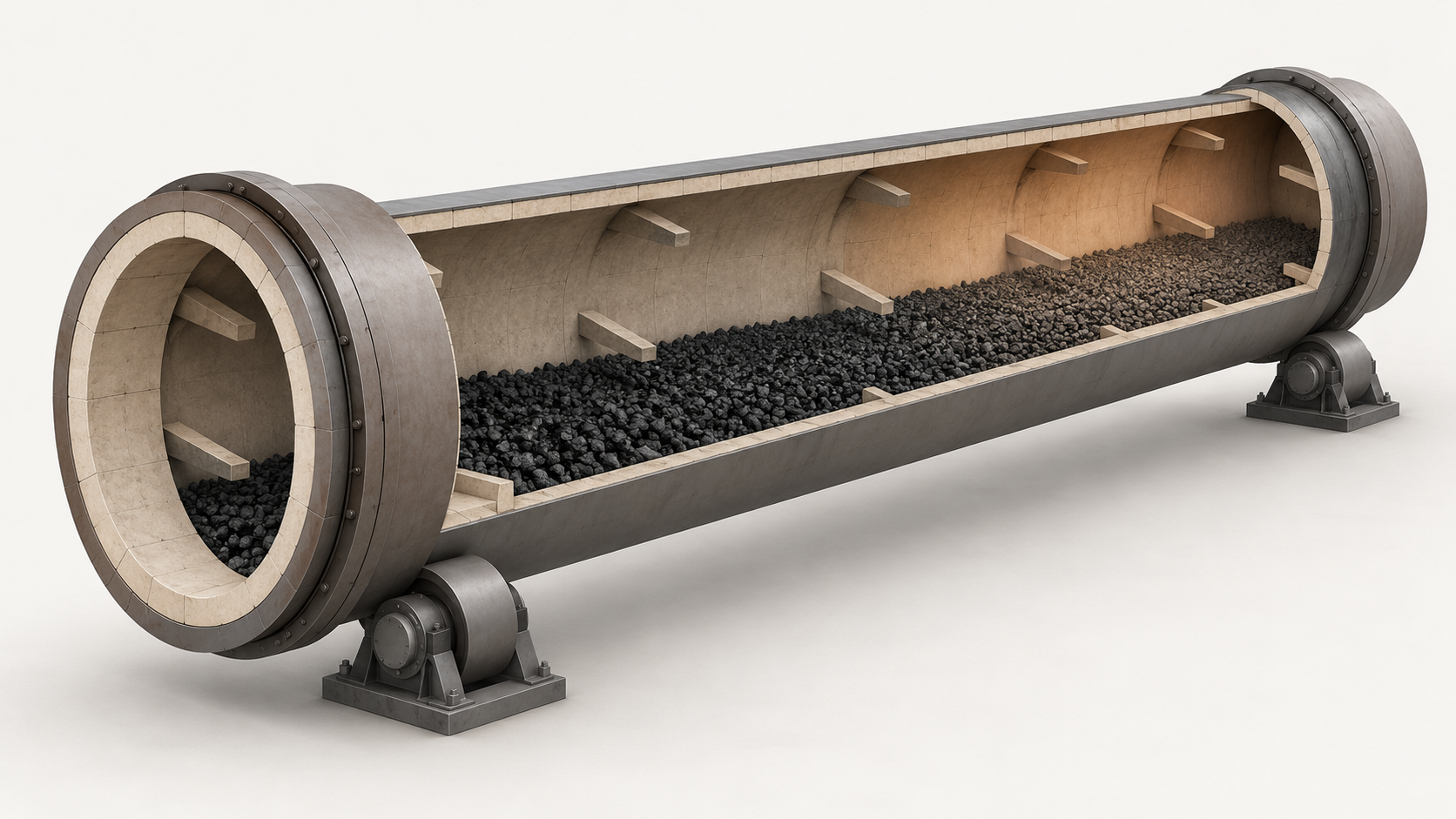
Process Segmentation Determines the Operating Conditions of Activated Carbon Rotary Kiln Components
Activated carbon production is not a single high-temperature treatment. The feedstock typically undergoes drying first, followed by devolatilization and carbonization, and is then activated in a steam or carbon dioxide atmosphere; some processes also include cooling and reactivation. The temperature, residence time, atmosphere, and material condition differ at each stage, so the risks borne by the shell, lining, flights, seals, and drive components also vary.
Using the typical ranges in the source material as an example, carbonization is approximately 343–538°C, while activation is approximately 954–1,010°C. These values are suitable only as references for process assessment and are not design values for all activated carbon rotary kilns. The actual temperature profile also depends on feedstocks such as coal, coconut shells, or biomass, as well as particle size, moisture content, ash content, and the target pore structure. In addition to high temperatures, the activation zone must accommodate steam or carbon dioxide, thermal cycling, and atmosphere control.
Therefore, rotary kiln components should not begin with a list of generic heat-resistant steel grades and then work backward to determine their applications. A more reliable sequence is to first establish the temperature profile and atmosphere of each hot zone, then distinguish between hot-face, material-contact, and load-bearing surfaces, and finally determine the materials, lining, connection methods, and machining tolerances according to the failure modes. Subsequent design reviews should separately verify thermal deformation, particle erosion, corrosive media, seal leakage, and hot alignment, using “process conditions—failure modes—manufacturing方案” as the central selection framework.
Indirect vs. Direct Heating: How to Design the Atmosphere Boundary of an Activated Carbon Rotary Kiln
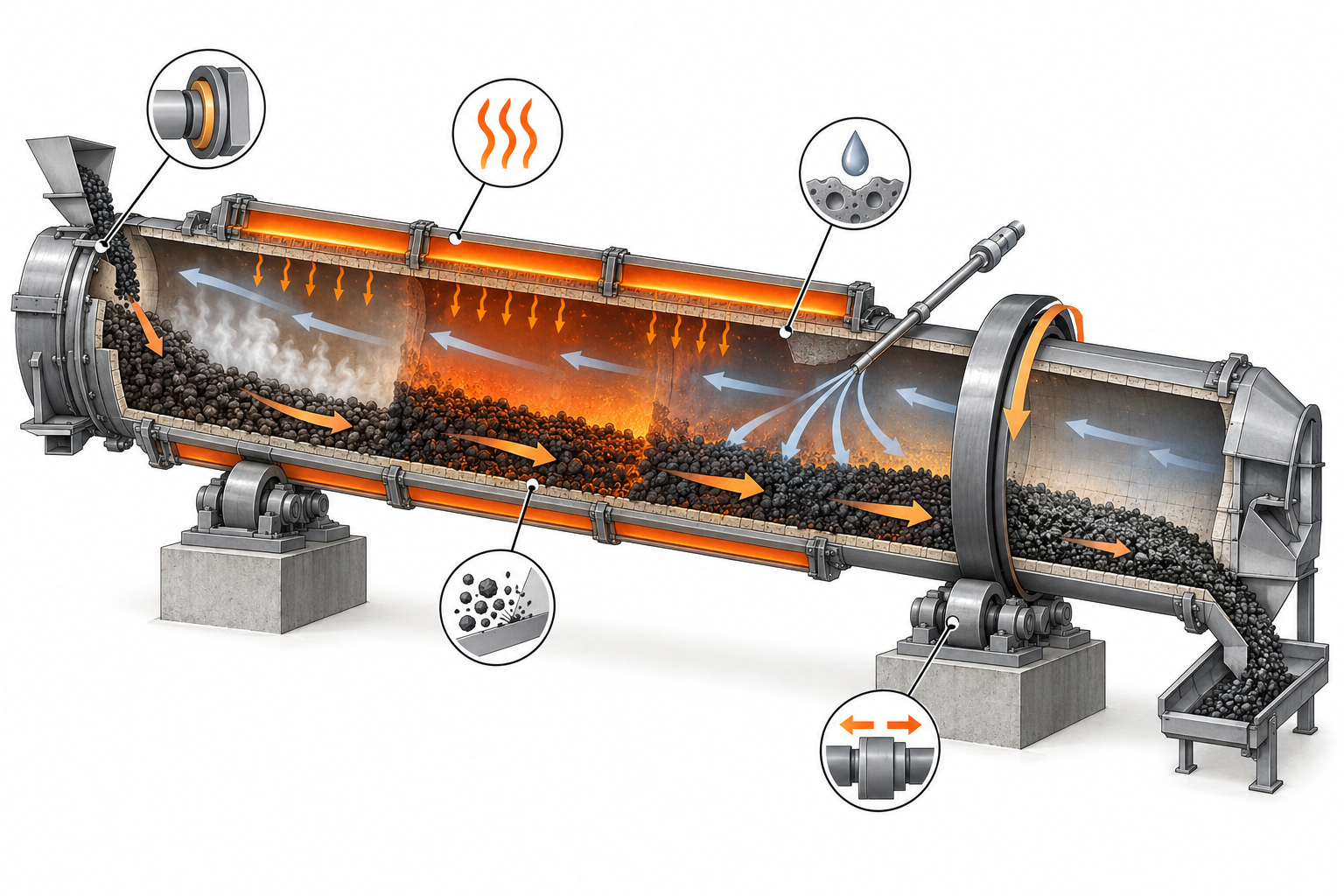
With indirect heating, combustion in an activated carbon rotary kiln takes place in a furnace or heating enclosure outside the shell, and heat is transferred to the material through the shell wall. The combustion flame and flue gas do not enter the material space directly, which helps maintain an oxygen-deficient or controlled atmosphere and reduces the risk of direct oxidation of carbonaceous materials. In this configuration, the inner shell wall serves as both a heat-transfer surface and an atmosphere boundary, while the exterior is exposed to high-temperature heat flow and thermal cycling.
Thermal Boundary of an Activated Carbon Rotary Kiln Shell
With direct heating, the combustion flue gas, oxygen content, and material volatiles jointly alter the atmosphere inside the kiln, while the corrosion and thermal shock experienced by the shell, lining, and seals also differ. Therefore, rotary kiln shell materials cannot be selected solely according to the highest temperature inside the kiln. The heat-source method, temperature profile, atmosphere composition, and residence time should first be defined, followed by differentiation between hot-face, material-contact, and load-bearing surfaces, with verification of thermal expansion, welding distortion, and roundness.
Activated Steam, Gas Connections, and Kiln Head and Tail Seals
When steam or carbon dioxide is introduced during the activation stage, uneven gas distribution, connection leakage, or thermal deformation of the shell can cause localized fluctuations in the atmosphere. The kiln head and tail seals should be designed together with rotational runout, assembly clearances, and hot-state shell displacement, rather than by checking only the temperature resistance rating of the sealing material. At a minimum, the engineering review should examine gas connection locations, sealing clearances, rotational interference, allowance for thermal expansion, and the leak inspection method after assembly.
Rotary Kiln Shell and Refractory Lining: Balancing Heat Resistance, Thermal Deformation, and Welded Fabrication
In an activated carbon rotary kiln, the shell performs three functions simultaneously: heat transfer, load bearing, and maintaining the atmosphere boundary. The temperature profiles, steam or carbon dioxide atmospheres, volatiles, and particle abrasion in the carbonization and activation zones are different, so a single general-purpose steel grade should not be specified solely according to the kiln's maximum internal temperature. Materials and structures should first be determined based on hot-state calculations, medium analysis, and confirmation of the raw material ash content, and then differentiated among the hot face, material-contact surfaces, and load-bearing surfaces.
Thermal Deformation and Welding Control of Activated Carbon Rotary Kiln Shells
Uneven heating or frequent start-stop operation of the shell can easily cause ovalization, axial expansion and contraction, and thermal fatigue in welds. During fabrication, the welding sequence for each section, clamping references, and post-weld correction method should be clearly defined to prevent welding shrinkage from accumulating at flanges, riding rings, or seal mounting surfaces. Acceptance should not be based solely on measuring the cold-state outside diameter; roundness, concentricity, end-face runout, and the positional accuracy of critical connections should also be checked. Welds should be inspected according to risk, with plans covering appearance, dimensions, and necessary nondestructive testing.
Securing the Refractory Lining and Providing Expansion Gaps in Activated Carbon Rotary Kilns
The refractory lining is mainly used to provide insulation, protect the shell wall, and withstand localized wear, but its thickness, sectional arrangement, anchoring structure, and thermal expansion gaps cannot be determined separately from the hot-state temperature field. Excessive emphasis on thickness may increase weight and drive load, while insufficient gaps can cause jacking pressure, cracking, or detachment after heating. Procurement documents should specify the basis for selecting the lining material, the type of fixing components, replaceable units, maintenance openings, and assembly references. The cold-state dimensions and the expected hot-state gaps should ultimately be rechecked to prevent the shell, lining, and sealing system from each meeting requirements individually while failing to work together.
Flights, Feed and Discharge Screws, and Liner Plates: Selecting Wear Components for Activated Carbon Rotary Kilns
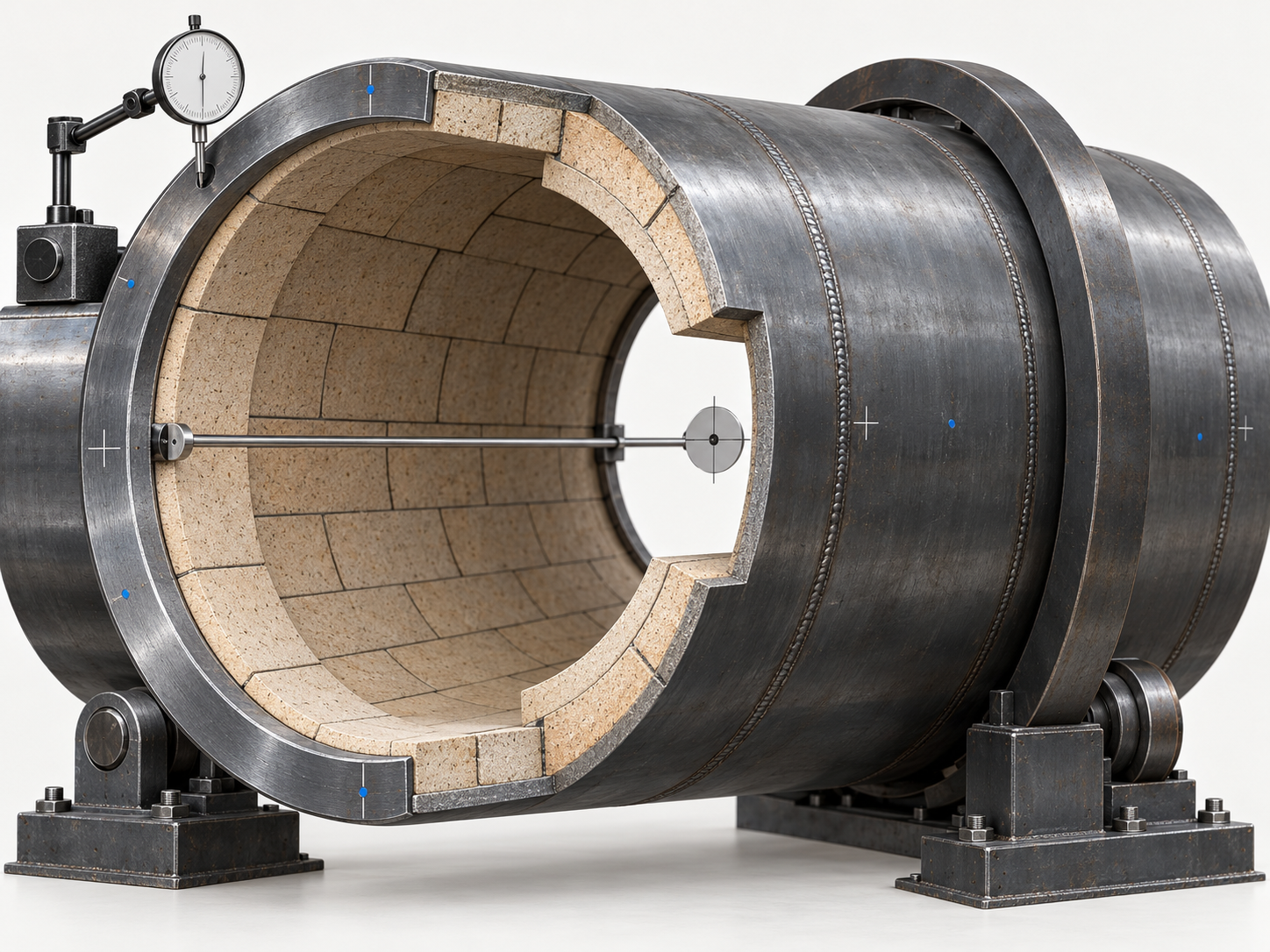
Flights rotate with the shell, lifting and cascading the material toward the gas stream or hot wall to improve heat transfer, mixing, and residence-time distribution. They are not simply wear-resistant components: the height, spacing, installation angle, and edge shape of the flights simultaneously affect material throughput, local accumulation, and thermal-zone loading. As the particle size, moisture content, ash content, and hardness of the activated carbon feed change, the risks of abrasion, impact, adhesion, and material blockage also change.
Wear Design for Activated Carbon Rotary Kiln Flights Should Provide a Replacement Path
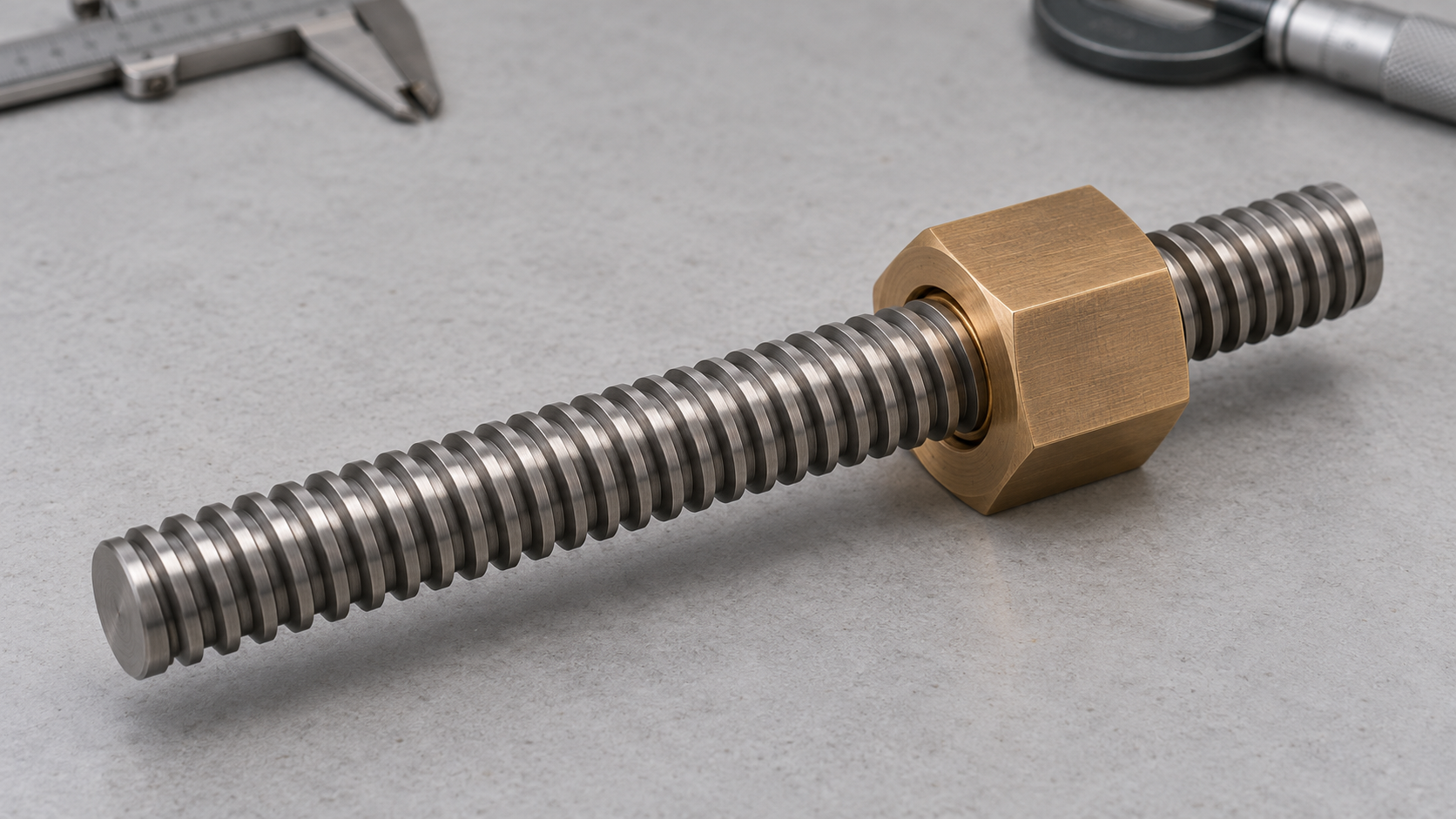
During design, first distinguish the material-contact surfaces, load-bearing connection surfaces, and heat-affected areas, then determine candidate wear-resistant materials and their welding or casting processes. Do not use “the higher the hardness, the better” as the sole criterion; excessively hard materials may increase the risk of brittle fracture, welding residual stress, or difficulty with field repairs. Flights, screw blades, and liner plates should preferably use replaceable modules with clearly defined wear allowances, radiused transitions, and anti-loosening fastening structures, while ensuring that maintenance tools can access them.
- For the feed screw, pay particular attention to the clearance between the blades and shell, shaft deflection, material bridging, and material accumulation at the feed inlet.
- At the discharge end, focus on high-temperature particle abrasion, falling-material impact, the overlap direction of the liner plates, and the replacement reference.
- During acceptance, measure the thickness, installation position, and fastening condition of critical components. For welded components, focus on weld appearance, deformation, and accessibility; for castings, verify the material, heat-treatment condition, and records of defect inspections.
The inquiry documents should clearly specify the raw material particle size, moisture content, ash content, throughput, rotational speed, and maintenance method. Only when these operating conditions, together with the determination methods for wear locations, module dimensions, and replacement intervals, are provided to the supplier will quotations for wear-resistant liner plates and flights be comparable.
Riding Rings, Support Rollers, Bearings, and Girth Gears: Load-Bearing Drive Components Cannot Be Selected Based Solely on Kiln Internal Temperature
The riding rings, support rollers, bearings, and girth gears of an activated carbon rotary kiln are typically located outside the shell. They do not directly withstand the highest temperature in the activation zone, but they continuously bear the shell's self-weight, material load, rotational load, and alignment changes caused by hot-state expansion. Therefore, load-bearing drive components cannot simply use the heat-resistant materials specified for the kiln interior, nor can their grades be selected solely according to the kiln's internal temperature. Materials, heat treatment, and structural dimensions should be confirmed in conjunction with the load, rotational speed, contact width, ambient temperature, lubrication conditions, and maintenance method.
Thermal expansion affects alignment first, then contact stress
After heating, the shell undergoes axial and radial expansion. If the fit between the riding rings and shell, the support roller positions, or the thrust roller adjustment is improper, uneven loading across the roller face, localized contact, abnormal wear, and bearing temperature rise may occur. During the design review, the cold-assembly reference and the hot operating position should be checked separately to confirm the contact width between the riding rings and support rollers, support roller inclination, axial movement control, and hot-state clearances. The girth gear must also be protected from uneven meshing caused by shell deformation or installation deviations; otherwise, vibration and tooth-surface pitting will accelerate.
Key Manufacturing and Acceptance Considerations for Active Carbon Rotary Kiln Drive Components
- Riding rings, support rollers, and girth gear: Check the roller faces, tooth-surface defects, hardness or heat-treatment condition, as well as radial runout and face runout.
- Shell and drive components: Check concentricity, installation references, contact patterns, and hot-state clearances; do not inspect individual component dimensions alone.
- Bearings and lubrication: Define the inspection methods for bearing housing installation accuracy, lubrication method, sealing condition, and operating temperature rise.
- Site delivery: Require alignment adjustment records, gear-meshing inspection records, and, where necessary, dynamic balancing or rotary trial-run data.
Specific tolerances and inspection thresholds should be determined based on the equipment dimensions, load calculations, rotational speed, and supplier drawings. If the procurement documents only specify a “high-temperature-resistant riding ring” or “wear-resistant girth gear,” they are generally insufficient to produce comparable quotations. The documents should also clearly specify hot-state alignment, contact conditions, and installation acceptance methods.
Kiln Head and Kiln Tail Seals and Activation Gas Interfaces: Converting Gas Leakage Risks into Verifiable Criteria
The sealing system of an active carbon rotary kiln is not merely a dust-prevention component. The kiln head, kiln tail, feed inlet, discharge outlet, and steam or carbon dioxide interfaces each serve to isolate air, limit the escape of hot flue gas, and maintain the activation atmosphere. When sealing fails, gas leakage, fluctuations in oxygen content, increased heat loss, and unstable product pore structure may occur simultaneously. Therefore, the sealing design should be reviewed together with shell thermal deformation, rotary runout, and gas-path layout.
The Sealing Structure of an Active Carbon Rotary Kiln Must Match Its Motion and Temperature Boundaries
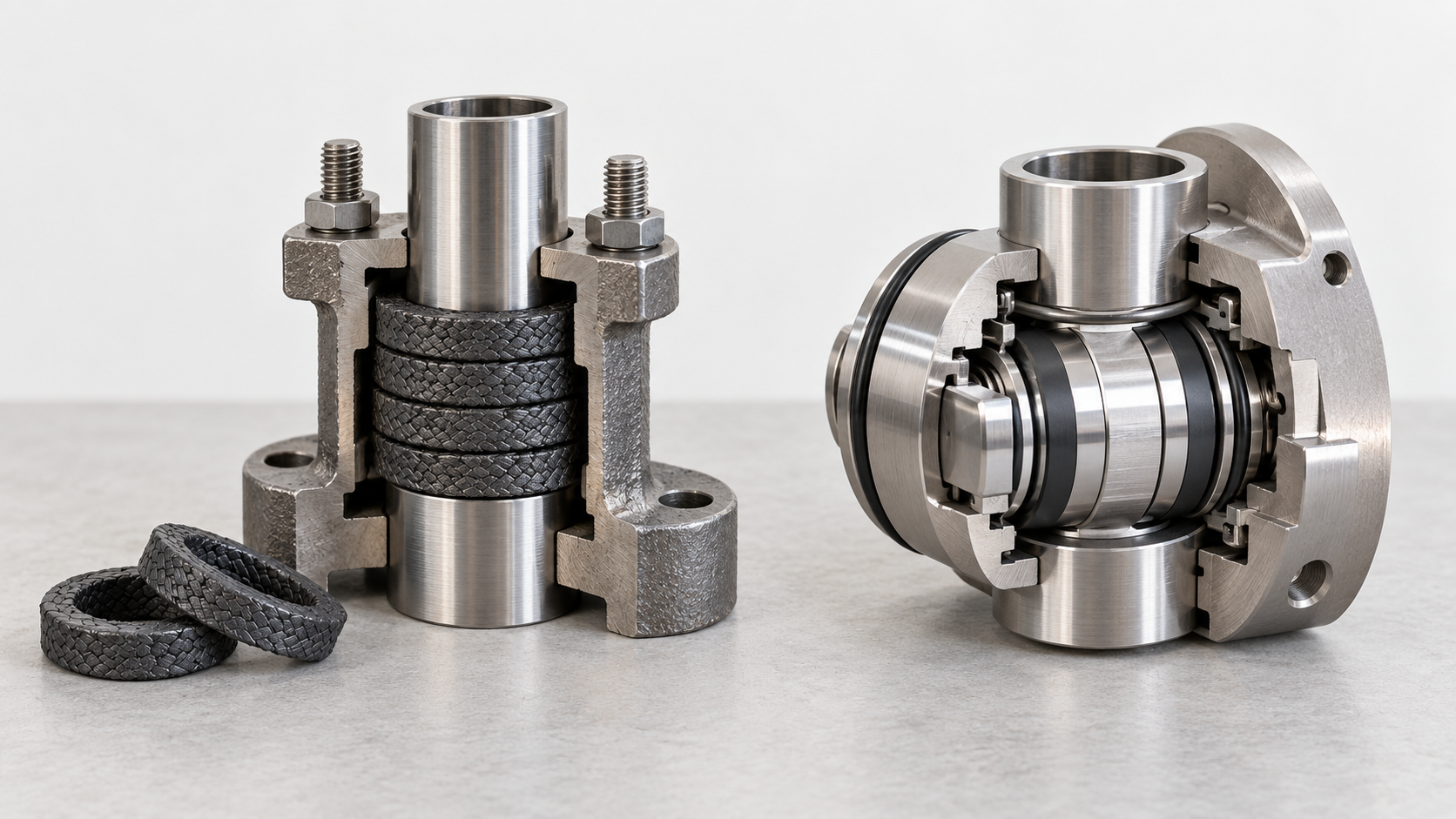
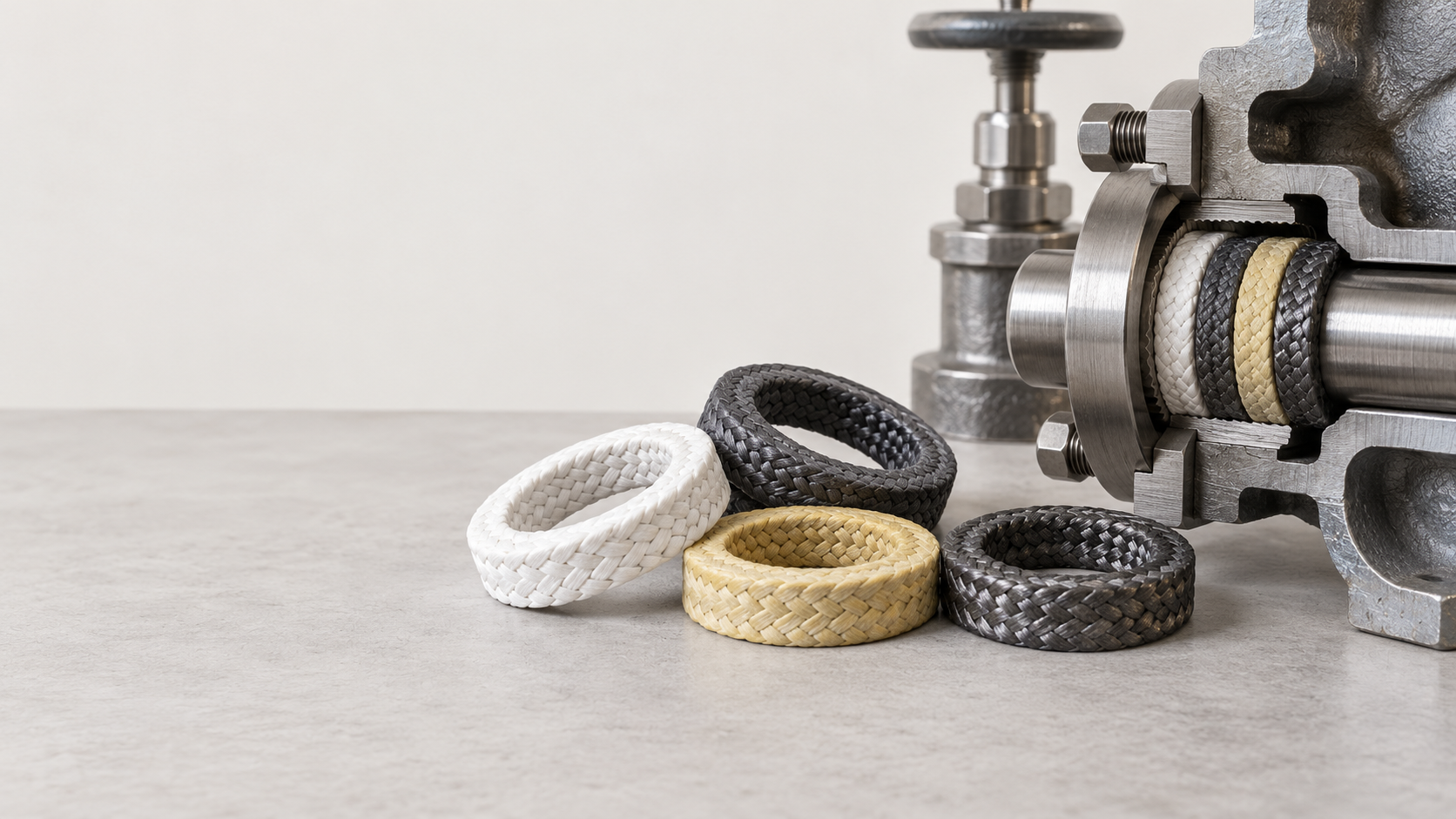
A labyrinth structure is suitable for reducing direct contact and friction, but it is sensitive to installation clearance, concentricity, and dust accumulation. A contact seal can provide a more direct barrier, but the seal's temperature resistance, wear, and compression force must be verified. Combined structures may be required in areas with high temperatures, heavy dust, or significant hot-state runout. The specific design cannot be determined solely by the material name; shell position changes under hot conditions, maintenance access, and the method of replacing the seal must also be considered.
Activation Gas Interfaces and Seal Acceptance Must Be Evaluated Under System Operating Conditions
Steam or carbon dioxide interfaces should avoid rigid connections that directly bear shell displacement, and the installation references for the flanges, expansion sections, supports, and gas distribution should be checked. During procurement and acceptance, inspection should not be limited to sealing material certificates. The following items should also be included in the same plan:
- Cold- and hot-state assembly clearances, face runout, and rotary interference checks;
- Concentricity, fastening method, and thermal expansion direction of the seal housing and shell;
- Connection condition, supports, and leakage inspection of the steam or carbon dioxide piping;
- Replacement criteria after seal wear, maintenance accessibility, and on-site remeasurement methods.
Final acceptance should be based on no-load rotation, hot-state operation, and gas-path operating conditions rather than replacing system-level inspection with a single static dimension. The drawings should clearly specify clearances, runout, reference surfaces, and permitted adjustment methods. If the process atmosphere or temperature profile has not yet been finalized, the sealing structure and materials can only be treated as candidate options and must be finalized after hot-state calculations, medium analysis, or testing.
From Material Selection to Manufacturing Acceptance: What Should Be Clearly Specified in an Inquiry Document for Active Carbon Production Equipment
When requesting quotations for activated carbon production equipment, it is not enough to specify only “heat-resistant steel shell” or “wear-resistant lining.” The procurement documents should first define the raw material type, particle size, moisture content, ash content, throughput, rotational speed, and residence time, and then include the carbonization or activation temperature profile, atmosphere composition, steam or carbon dioxide consumption, corrosive media, and maintenance method. Without these boundary conditions, different suppliers may have completely different interpretations of the shell thickness, internal lining, lifters, and seals, making their quotations impossible to compare directly.
Drawings and technical agreements should classify components by risk level. For the shell and welded components, particular attention should be paid to material certificates, welding or casting procedures, heat-treatment condition, nondestructive testing of welds, roundness, concentricity, and hot-state expansion clearances. For lifters, liners, and screws, the documents should specify wear allowance, fastening method, replaceable modules, and maintenance datums. For riding rings, support rollers, and girth gears, they should state the contact width, radial and axial runout, tooth-surface condition, alignment requirements, and hot-state clearances. For rotating components, dynamic balancing or field alignment requirements must also be clearly defined.
- Operating conditions and design inputs: raw material type, particle size, moisture content, ash content, throughput, rotational speed, residence time, temperature profiles for each zone, atmosphere composition, and steam or carbon dioxide consumption.
- Manufacturing and quality documentation: material certificates, welding or casting procedure documents, heat-treatment records, nondestructive testing reports for critical welds, and measurement records for shell roundness, concentricity, flange positional accuracy, and riding ring and girth gear runout.
- Assembly and operational acceptance: internal lining expansion clearances, installation datums for lifters and liners, contact condition between riding rings and support rollers, gear meshing, seal clearances, rotary interference, gas-path leakage, and, where necessary, hot-state alignment or trial-run records.
Quotation documents should also distinguish between design guarantee values, manufacturing tolerances, and field measurement values, avoiding fixed conclusions about allowable material temperature, wall thickness, or service life that are detached from actual operating conditions. For activated carbon rotary kilns, submitting the operating boundaries first and then confirming the materials, structure, and inspection plan generally reduces rework and acceptance disputes more effectively than specifying a material grade first.
Common Questions About Component Selection for Activated Carbon Rotary Kilns
The materials and structure of an activated carbon rotary kiln cannot be assessed based on a single temperature value alone. The process atmosphere, particle abrasion, loads, thermal deformation, welding or casting processes, and site assembly conditions should all be incorporated into the same design and acceptance documents.
Can the activation temperature directly determine the material grade of an activated carbon rotary kiln?
No. The activation temperature is only a starting point. The steam or carbon dioxide atmosphere, oxygen content, volatiles, ash content, thermal cycling, material abrasion, and component load-bearing method must also be confirmed. The shell, lining, lifters, seals, and drive components are subject to different failure modes, so the material grade should be determined based on hot-state calculations, media analysis, welding or casting processes, and supplier data.
Is a harder wear-resistant liner always better for an activated carbon rotary kiln?
Not necessarily. Higher hardness may improve resistance to abrasive wear, but it may also increase the risk of brittle cracking, impact spalling, welding difficulties, or higher replacement costs. The liner thickness, fastening method, radiused transitions, wear allowance, and replacement datum should be determined based on the raw material particle size, hardness, ash content, moisture content, adhesion, and impact loads.
Can the shell of a directly heated activated carbon rotary kiln be used interchangeably with that of an indirectly heated kiln?
Generally, they should not be considered interchangeable. In indirect heating, heat is transferred through the shell from external combustion, isolating the material from the combustion products. In direct heating, the kiln interior must also withstand changes in flue gas, oxygen content, and local heat flux. The design boundaries for the hot face, seals, gas connections, thermal expansion, and welds differ between the two structures, so each must be recalculated for the specific process.
When purchasing components for activated carbon production equipment, which inspection documents must not be omitted?
At a minimum, the documents should specify material certificates, welding or casting procedures, heat-treatment condition, the nondestructive testing plan for critical welds, and dimensional and geometrical results such as roundness, concentricity, radial runout, and axial runout. The contact condition, alignment, and installation datums of riding rings, support rollers, and girth gears should also be confirmed. For seals, the assembly clearances, rotary interference, and leakage inspection method should be specified. The specific requirements should be determined according to the risk classification of each component.
Key takeaways
- Material selection for an activated carbon rotary kiln should first establish the temperature profile, atmosphere, feed particle size, and moisture content, and then distinguish between hot-face, material-contact, and load-bearing surfaces.
- The shell performs heat transfer, load-bearing, and atmosphere-boundary functions simultaneously, so thermal deformation, welding distortion, roundness, concentricity, and weld inspection must all be considered.
- The wear-resistant design for flights, lining, and feed and discharge components should be determined based on material hardness, ash content, particle erosion, and the method of replacement at the site.
- Riding rings, support rollers, bearings, and the girth gear are primarily affected by load, contact stress, alignment, and thermal expansion; they must not be selected solely according to the highest temperature inside the kiln.
- Procurement documents should clearly specify operating-condition limits, material certificates, manufacturing processes, dimensional and geometrical tolerances, nondestructive testing, and reference datums for on-site installation.